Seasonal menu refresh ideas that keep guests curious
Changing your menu with the seasons keeps regulars coming back and gives your kitchen creative energy. Here are practical ways to do it without overwhelming your team.
Carte AI Editorial
The restaurants that keep regulars coming back month after month share a quiet trick: they change just enough to stay interesting without losing the dishes people love.
Seasonal refreshes are not about reinventing the wheel every quarter. They are about giving your menu a pulse — a sense that the kitchen is alive, paying attention, and cooking what is best right now.
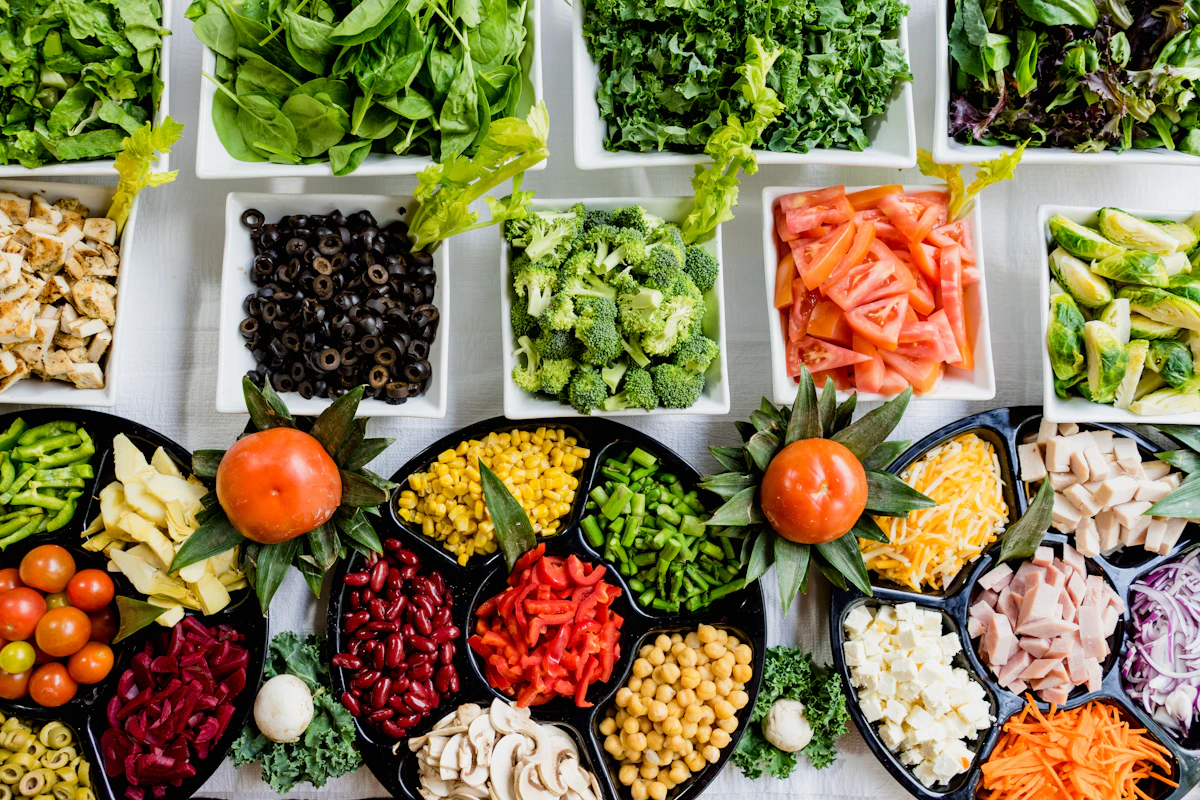
You do not have to change everything#
The most effective seasonal refresh follows a simple ratio: keep 70%, rotate 30%. Your best sellers stay. Your signature dish stays. But a handful of items cycle out to make room for something new.
This gives regulars comfort — they can still order the thing they love — while introducing just enough novelty to make them curious. "What's new this week?" is one of the best questions a returning guest can ask.
Follow the produce, not the calendar#
Seasons are a guide, not a strict schedule. The best seasonal menus respond to what is actually available rather than what the calendar says.
Talk to your suppliers. Visit the farmers' market. When local strawberries arrive three weeks early, your menu should be ready to meet them. When the heirloom tomatoes fade, let them go gracefully rather than clinging to a summer dish in October.
The Seasonal Food Guide is a useful starting point for understanding what grows where and when — especially if you are sourcing regionally.
Use your menu as a storytelling tool#
Each season gives you a new chapter to tell. Spring is freshness and renewal. Summer is abundance. Autumn is warmth and earthiness. Winter is comfort.
Lean into that narrative:
- Spring: "First-of-season asparagus, shaved thin with lemon, pecorino, and a hit of chili oil."
- Summer: "Grilled peaches from the Saturday market, burrata, torn basil, aged balsamic."
- Autumn: "Slow-roasted squash with brown butter, sage, toasted hazelnuts."
- Winter: "Braised short rib, creamy polenta, gremolata — the kind of dish that makes you forget it gets dark at 4pm."
Each description invokes not just flavor but a feeling. That is the power of seasonal framing.
Make the transition an event#
Do not just quietly swap items. Let your guests know something is happening.
- Post a preview on social media a few days before the changeover
- Train your front-of-house to mention new dishes: "We just added a spring pea risotto — it has been really popular"
- Consider a small "seasonal debut" tasting or happy hour to build buzz
The National Restaurant Association's trend reports consistently show that limited-time offerings drive repeat visits. A seasonal refresh is exactly that — a limited window that creates urgency.
Keep the logistics manageable#
A seasonal refresh should energize your kitchen, not exhaust it.
- Prep overlap: New dishes should share base ingredients or techniques with your existing menu to keep prep efficient.
- Staff training: Brief your team on the new items before launch. Confidence sells.
- Print vs. digital: If you are still printing menus exclusively, seasonal changes get expensive fast. A digital menu publishing tool lets you ship a fresh seasonal edition in an afternoon — a fraction of the cost and lead time of a reprint, with the previous season archived on its own permanent link.
A seasonal menu is a signal that your restaurant is paying attention — to the ingredients, to the season, and to your guests. Keep the changes intentional, the execution tight, and the storytelling vivid. That is how you turn first-timers into regulars.